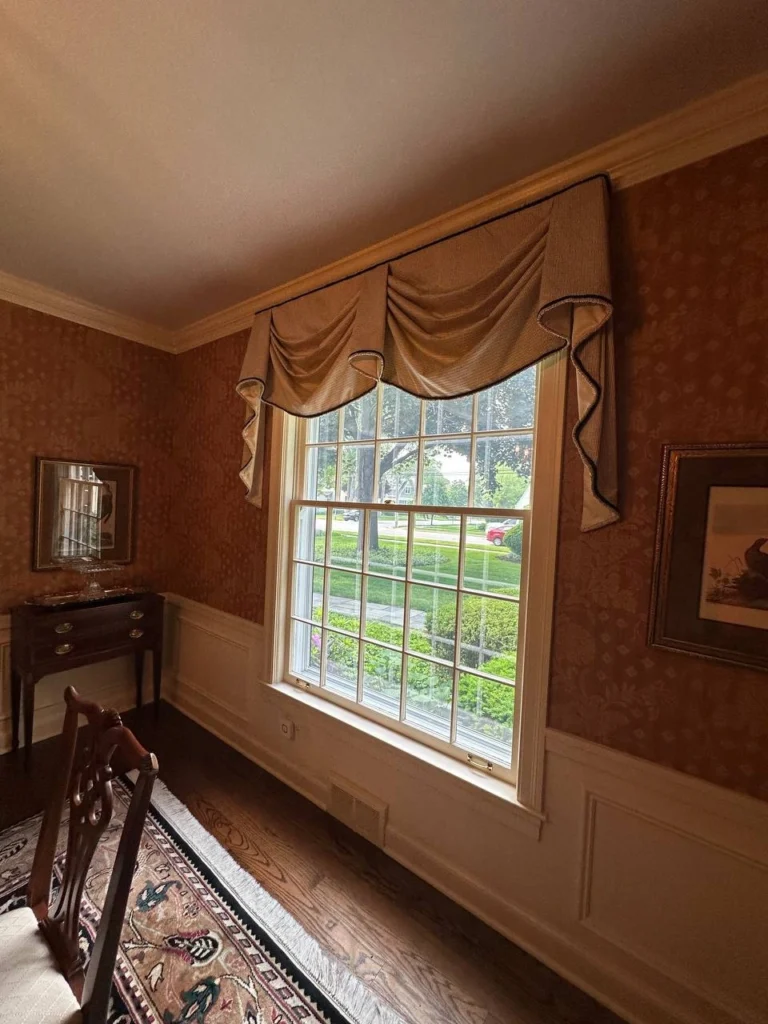
Foggy or cloudy appearance in double-pane windows, often described as mist, haze, or persistent condensation between the glass layers, indicates a failure within the insulated glass unit (IGU). This condition is common in regions with pronounced seasonal temperature variations, such as Chicago, where extreme cold in winter combined with humidity fluctuations accelerates seal degradation. The fogging compromises thermal performance, increases energy consumption, reduces natural light transmission, and may lead to further structural issues if moisture migrates to frames or interior surfaces.
This article details the underlying causes of foggy double-pane windows, evaluates available temporary measures, and outlines reliable long-term solutions, with particular relevance to Chicago’s demanding climate.
Primary Causes of Foggy or Cloudy Double-Pane Windows
Double-pane windows consist of two glass layers separated by a sealed airspace, typically filled with an inert gas (argon or krypton) to enhance insulation. A perimeter seal maintains this hermetic environment, while a desiccant (usually silica gel) absorbs any residual moisture during manufacturing.
1. Thermal Expansion and Contraction (Thermal Pumping)
Repeated temperature fluctuations cause the glass and frame materials to expand and contract. In Chicago, frequent freeze-thaw cycles and swings from sub-zero winters to warmer periods stress the seals, leading to micro-fractures that widen over time and permit air and moisture infiltration.
2. Aging and Material Degradation
Seals naturally deteriorate after 10–20 years due to ultraviolet exposure, weathering, and chemical breakdown. Older windows in Chicago’s housing stock, particularly those installed before modern low-E and gas-filled technologies became standard, are especially susceptible.
3. Manufacturing or Installation Defects
Some units experience premature failure from inadequate sealing during production (batch failures) or improper installation that allows water accumulation around frames.
4. Environmental Stressors
High humidity from Lake Michigan, prolonged moisture exposure from poor drainage or splashing, and wind-driven rain exacerbate seal compromise. Water retention in sills or frames during thaws further accelerates deterioration.
When the seal fails, the insulating gas escapes, the desiccant becomes saturated, and condensation forms persistently—often more noticeable in colder months but potentially year-round.
Temporary Fixes: Limitations and Considerations
No method fully restores the original sealed, gas-filled integrity once failure occurs. Temporary approaches aim primarily to improve visibility cosmetically but do not address lost energy efficiency or prevent recurrence.
– Defogging Procedures
Professional or DIY defogging involves drilling small holes (typically at the top and bottom of one pane), rinsing the interior with cleaning solutions (e.g., vinegar or alcohol-based), allowing moisture to evaporate or drain, and installing breather vents or plugs to equalize pressure. This process may clear fog temporarily (weeks to months) by removing trapped water but leaves the unit unsealed and without insulating gas. Fog often returns as ambient moisture re-enters, and thermal performance declines significantly.
– DIY Attempts
Spraying anti-fog solutions through drilled holes or inserting desiccant packets offers short-term haze reduction but risks damaging glass or voiding warranties. Such methods are generally discouraged for permanent results.
Temporary fixes provide interim relief in cases where immediate replacement is impractical but should not substitute for professional evaluation, as continued moisture exposure can promote mold, frame rot, or further seal compromise.
Long-Term Solutions: Repair and Replacement Options
The most effective resolution involves addressing the failed IGU directly.
1. Insulated Glass Unit (IGU) Replacement**
In many cases, only the sealed glass panel requires replacement, preserving the existing frame and sash. A qualified technician removes the old IGU, installs a new unit with modern low-E coatings, argon/krypton fill, and durable warm-edge spacers, then reseals the assembly. This approach restores clarity, insulation, and energy efficiency at a fraction of full window replacement cost and suits Chicago homes where frames remain structurally sound.
2. Full Window Replacement
When multiple windows exhibit failure, frames show rot or damage, or the home would benefit from upgraded performance, complete window replacement Chicagois advisable. Contemporary options include triple-pane configurations, advanced Low-E coatings optimized for northern climates, and fiberglass or vinyl frames resistant to thermal stress. These upgrades yield superior U-factors, reduced condensation risk, and eligibility for energy incentives.
Professional installation ensures proper flashing, sealing, and alignment to prevent future moisture issues in Chicago’s variable weather.
Preventive Measures and When to Act
– Maintain proper exterior drainage and grading to direct water away from windows.
– Ensure regular caulking and weatherstripping inspections.
– Control indoor humidity (ideally 30–50%) to reduce overall condensation stress.
Act promptly upon noticing fogging, as prolonged exposure accelerates secondary damage. Early intervention often limits scope to IGU replacement rather than extensive home window repair.
Conclusion
Foggy or cloudy double-pane windows result primarily from seal failure, permitting moisture ingress and condensation in the inter-pane space. While temporary defogging offers cosmetic improvement, it does not restore insulating properties or prevent recurrence. Long-term solutions—IGU replacement or full window replacement Chicago—provide reliable clarity, energy savings, and durability suited to local climate demands.
If your windows exhibit persistent fogging or related performance issues, professional assessment is essential to determine the optimal course.
Professional methods for clearing condensation between panes
Condensation between double-glazed windows is a common problem for homeowners. It occurs when the window’s seal is damaged and moisture enters the space between the panes. This not only affects the appearance of the window but also reduces its insulation properties. Over time, it can lead to mold growth, obstructed visibility, and even the need for complete glass replacement.
Household methods (wiping the glass, ventilating rooms) won’t help in this case, since the moisture is trapped inside. Only professional methods can effectively solve the issue.
Why Condensation Forms Between Glass Panes
The main reason is seal failure, which allows air and moisture to enter the inner chamber. Causes include:
- natural material aging;
- poor installation quality;
- extreme temperature fluctuations;
- mechanical damage.
Professional Methods for Eliminating Condensation
1. Drilling Micro-Holes and Drying
One of the most common techniques. Specialists drill tiny holes at the top and bottom of the glass unit. Moisture evaporates through them, and special ventilation valves are inserted to allow air circulation.
- Advantage: quick and cost-effective.
- Disadvantage: the window is no longer fully airtight.
2. Using Desiccants
With special equipment, technicians insert moisture-absorbing materials (such as silica gel granules) into the glass unit. These absorb remaining moisture and reduce the risk of recurring condensation.
- Advantage: highly effective at removing moisture.
- Disadvantage: not suitable for all window types.
3. Resealing the Glass Unit
After moisture removal, professionals replace the old seal with a new one. This significantly reduces the chance of air and water entering again.
- Advantage: long-lasting results.
- Disadvantage: requires skilled labor and precision.
4. Full Glass Replacement
If the damage is extensive or the window is old, replacing the entire glass unit within the existing frame is the most practical solution.
- Advantage: restores full insulation and sound insulation.
- Disadvantage: more expensive than repair.
When to Call Professionals
- If condensation appears regularly.
- If you see cracks or damaged seals.
- If your window loses insulation (drafts, cold near the glass).
Prevention Tips
- Install windows only from certified companies.
- Inspect sealant condition once a year.
- Ensure proper indoor ventilation.
- Avoid sudden temperature shocks (e.g., don’t pour hot water on glass in winter).
FAQ
1. Can I remove condensation between panes myself?
No, household methods won’t work. Specialized tools are required.
2. How much does professional condensation removal cost?
It depends on the method and window size. In most cases, it’s cheaper than full window replacement.
3. Will resealing permanently fix the problem?
It greatly reduces the risk, but over time the issue may return.
4. Is it worth repairing old windows?
If your windows are over 15 years old, replacing the glass unit is usually more effective.
5. Why is it dangerous to ignore condensation?
It encourages mold growth, damages furniture, and reduces home energy efficiency.
Conclusion
Condensation between double-glazed windows indicates seal failure. The only real solutions are professional: drilling micro-holes, using desiccants, resealing, or replacing the glass unit. The right method depends on the condition of your windows and your budget.
The key is not to delay repairs. Timely service helps maintain warmth, prevent mold, and extend the life of your windows.