The Challenge of Chicago Winters
Chicago winters bring long periods of subfreezing temperatures, heavy snow, and wind chills that can reach –20 °F (–29 °C). These conditions push ordinary window seals past their limits. Rubber and vinyl shrink, harden, or crack, creating small gaps that let in cold air and moisture. Even minor leaks can reduce indoor comfort and spike heating costs by 10–20 %.
Energy efficiency in such a climate depends not only on glass type or frame material but on the quality of the weather seals—the flexible components that keep warm air inside and cold air out.
Why Regular Window Seals Fail in Cold Weather
Standard seals found in most homes across the U.S. are not engineered for constant freeze–thaw cycles. In Chicago’s climate, they face:
- Thermal contraction: Materials like EPDM and PVC lose elasticity and separate from the frame.
- Ice buildup: Trapped condensation freezes and forces gaps wider.
- UV and salt exposure: De-icing chemicals and sunlight accelerate material degradation.
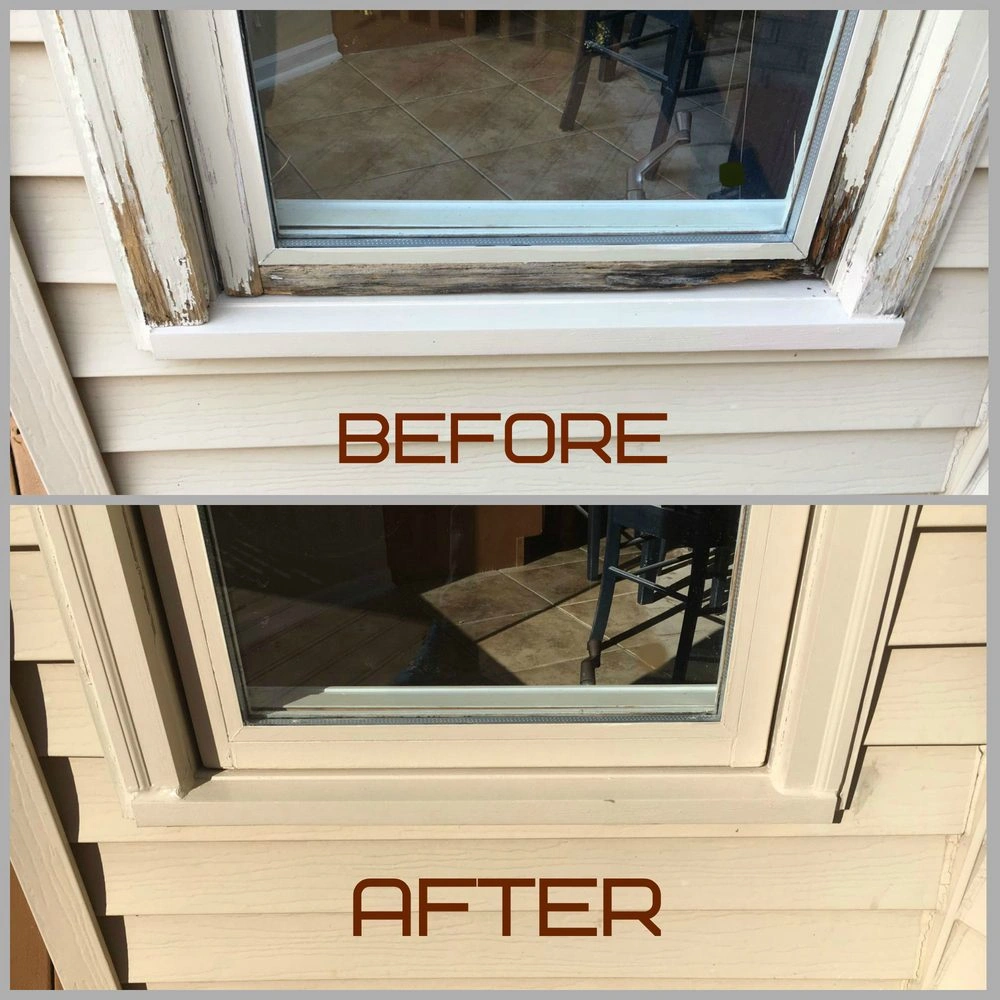
When seals lose compression, the window can no longer block drafts or moisture, which leads to wood frame rot, foggy double panes, and higher utility bills.
Types of Cold-Resistant Weather Seals
1. Silicone Seals
Remain elastic from –80 °F to +400 °F. They resist ozone, UV, and temperature shock. Ideal for older wood windows and metal frames.
2. EPDM Rubber
More affordable than silicone and excellent for compression-fit seals. Works well in tilt-and-turn or casement windows.
3. Foam and Brush Seals
Used in combination systems for sliding windows and doors. Foam reduces air leakage, while the brush layer repels snow and dust.
4. Magnetic Seals
High-end option providing refrigerator-like airtightness. Common in premium energy-efficient window systems.
Benefits of Upgrading to Cold-Weather Seals
| Benefit | Description |
|---|---|
| Energy Savings | Prevents heat loss and reduces HVAC usage, cutting winter energy bills by up to 25 %. |
| Noise Reduction | Seals block outside noise from traffic or wind. |
| Condensation Control | Limits moisture infiltration that causes mold and frost buildup. |
| Extended Window Life | Protects frame materials from thermal stress and rot. |
Modern seal systems are a low-cost investment that can add 5–10 years to a window’s lifespan.
Signs Your Window Seals Need Replacement
Watch for these common indicators:
- Drafts or cold spots near window edges
- Condensation or fogging between glass panes
- Visible cracks or peeling around seals
- Higher heating costs without other explanation
- Noticeable outdoor noise infiltration
If you observe any of these, schedule a professional window inspection in Chicago before the next freeze.
Professional vs. DIY Window Sealing
DIY Limitations
While homeowners can apply foam tape or silicone caulk, these solutions are temporary. They rarely cover all gaps and often detach during temperature shifts.
Professional Advantage
A certified window repair company in Chicago inspects frame alignment, measures seal compression, and installs industry-grade cold-resistant materials. The result: long-term energy efficiency and leak prevention.
Tip: When comparing service providers, ask if they use ASTM-rated cold-weather sealants and provide thermal testing after installation.
How Chicago Homeowners Benefit from Proper Window Sealing
In a city where heating costs dominate winter budgets, proper sealing is essential. Sealed windows maintain stable indoor temperatures, reduce furnace cycles, and lower carbon emissions.
Energy audits show that in older Chicago homes built before 1980, replacing or upgrading window seals can cut annual heating costs by $150–$300 per home.
A professional inspection every 3–5 years ensures long-term performance and keeps homes compliant with Chicago’s local energy efficiency guidelines.
Weatherproofing Solutions for Different Window Types
| Window Type | Recommended Seal |
|---|---|
| Wood Frame Windows | Silicone or high-density EPDM, paired with moisture barrier tape |
| Vinyl Windows | Flexible foam seals with UV stabilizers |
| Aluminum Windows | Magnetic or hybrid brush seals to offset metal expansion |
| Historic Windows | Custom silicone gaskets designed to preserve original frames |
Maintenance Tips for Cold-Weather Seals
- Clean seals twice a year with mild detergent to remove dirt and salt.
- Lubricate with silicone-based conditioner to maintain flexibility.
- Avoid petroleum oils—they degrade rubber.
- Inspect before winter for compression gaps or hardened sections.
Preventive care saves repair costs and preserves window efficiency through multiple freeze–thaw cycles.
Local Expertise Matters
Chicago’s unique mix of humidity, lake-effect snow, and temperature swings requires local knowledge. An experienced window repair company in Chicago understands how to match the right seal type to your frame material and exposure level.
Whether you own a historic Lincoln Park townhouse or a modern Lakeview condo, professional technicians provide tailored solutions for maximum insulation and comfort.
Conclusion: Don’t Let the Cold In
Windows are the first barrier between your home and Chicago’s brutal winter air. Investing in high-performance weather seals is one of the simplest ways to improve comfort, energy efficiency, and property value.
Request a free inspection from Chicago’s trusted window repair specialists.